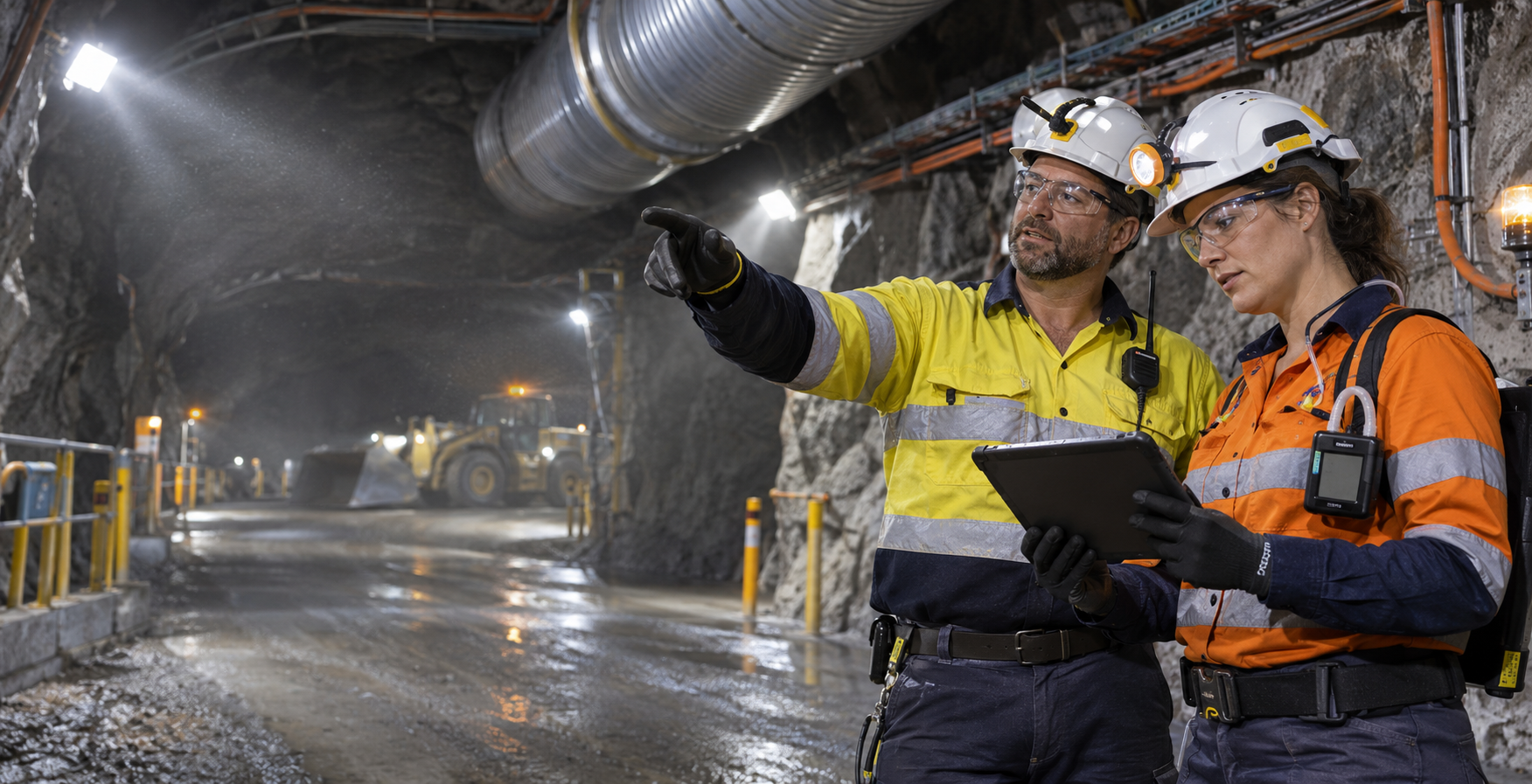
Mining’s Exposure Risk Is a System, Not a List of Limits
Safe Work Australia estimates 60% of mining workers face probable exposure to five or more hazard agents. The WEL transition should trigger a connected assurance system, not a table update.
Perspectives on AI‑powered safety, risk management, and operational excellence in heavy industry.
Safe Work Australia estimates 60% of mining workers face probable exposure to five or more hazard agents. The WEL transition should trigger a connected assurance system, not a table update.

Australia has announced mandatory safety and security protections for frontier-AI companies. Mining leaders should treat that as a stronger supplier baseline, not a substitute for governing each AI-enabled safety workflow.
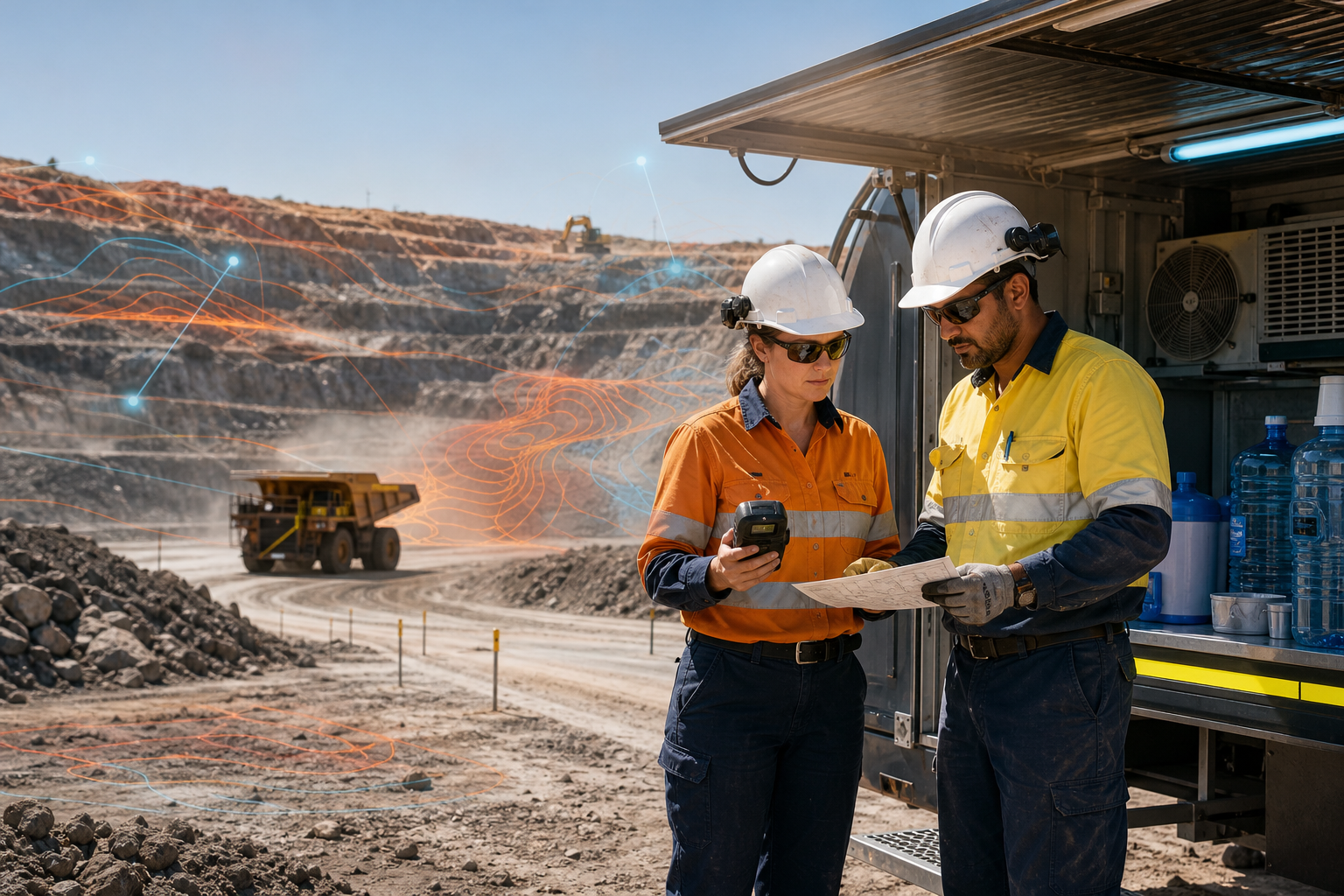
With elevated heatwave risk and extreme-temperature exposure on the regulatory agenda, mining leaders need task-specific, cross-document heat controls—not one weather number.
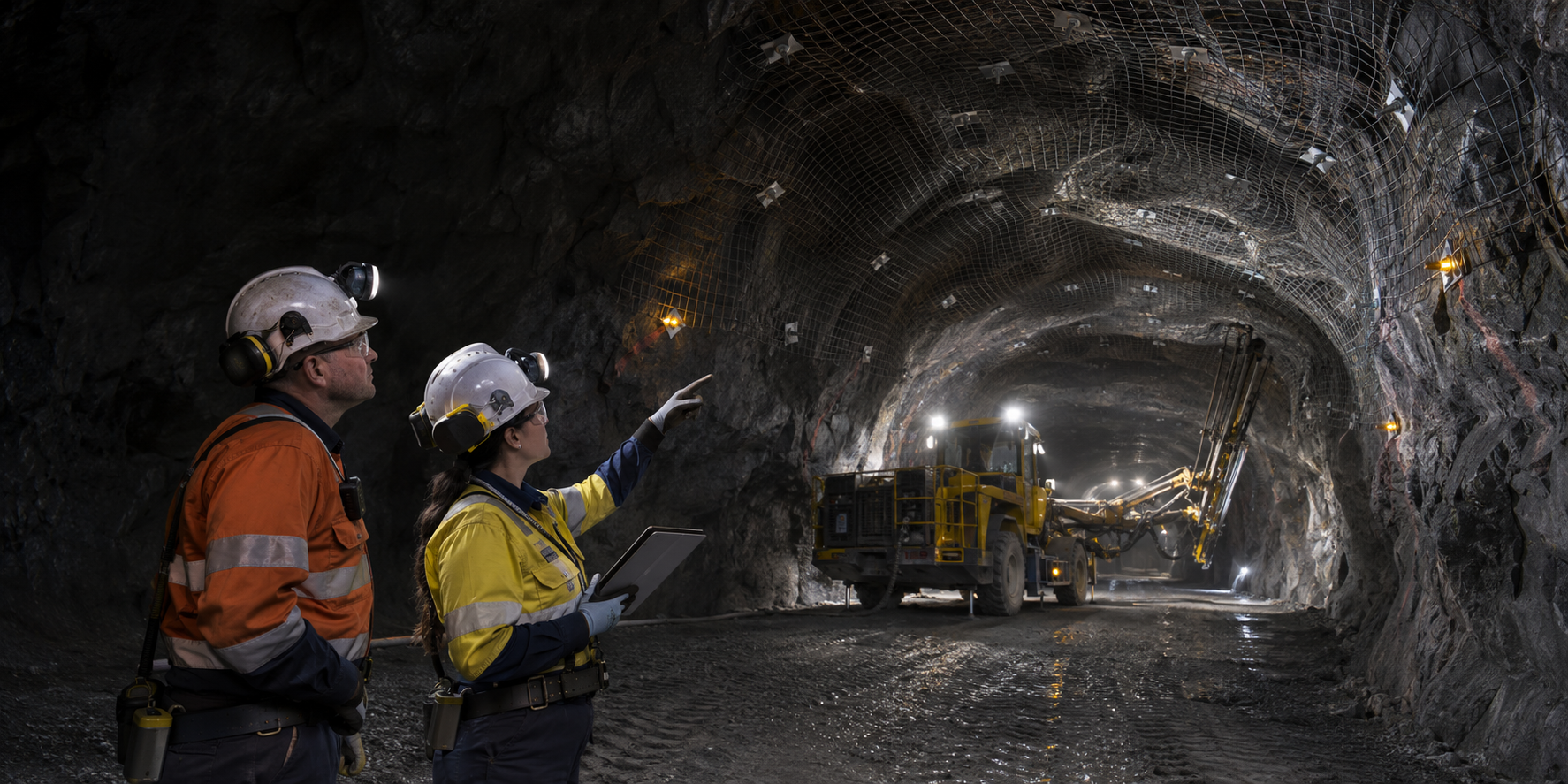
A new NSW roof-collapse investigation shows why ground-control assurance must connect changing field conditions to design reassessment, critical-control decisions and verified closure.
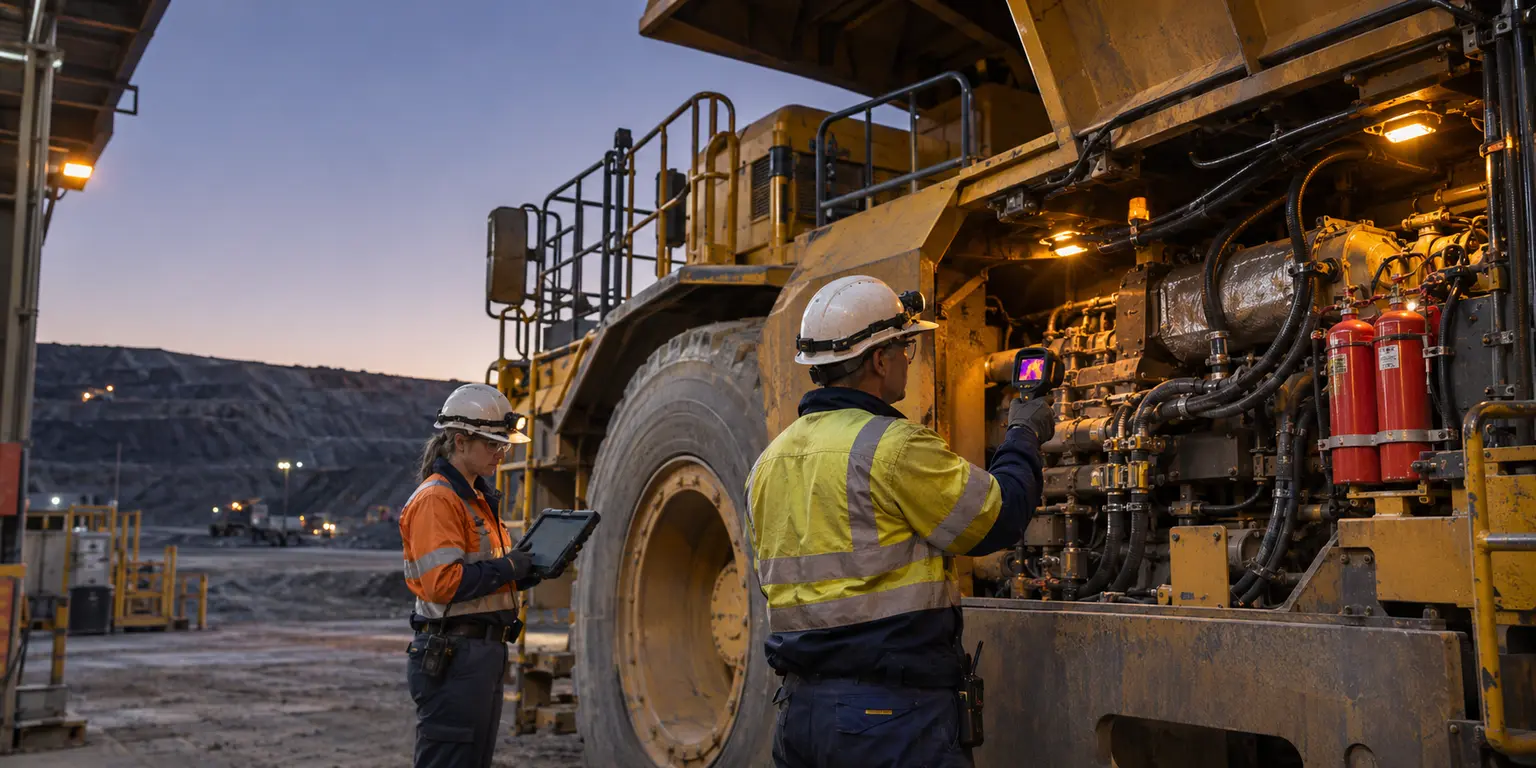
NSW’s FY26 mobile-plant fire data shows why leaders must connect incident evidence to prevention, detection, suppression and recovery controls — and verify performance, not just inspection activity.
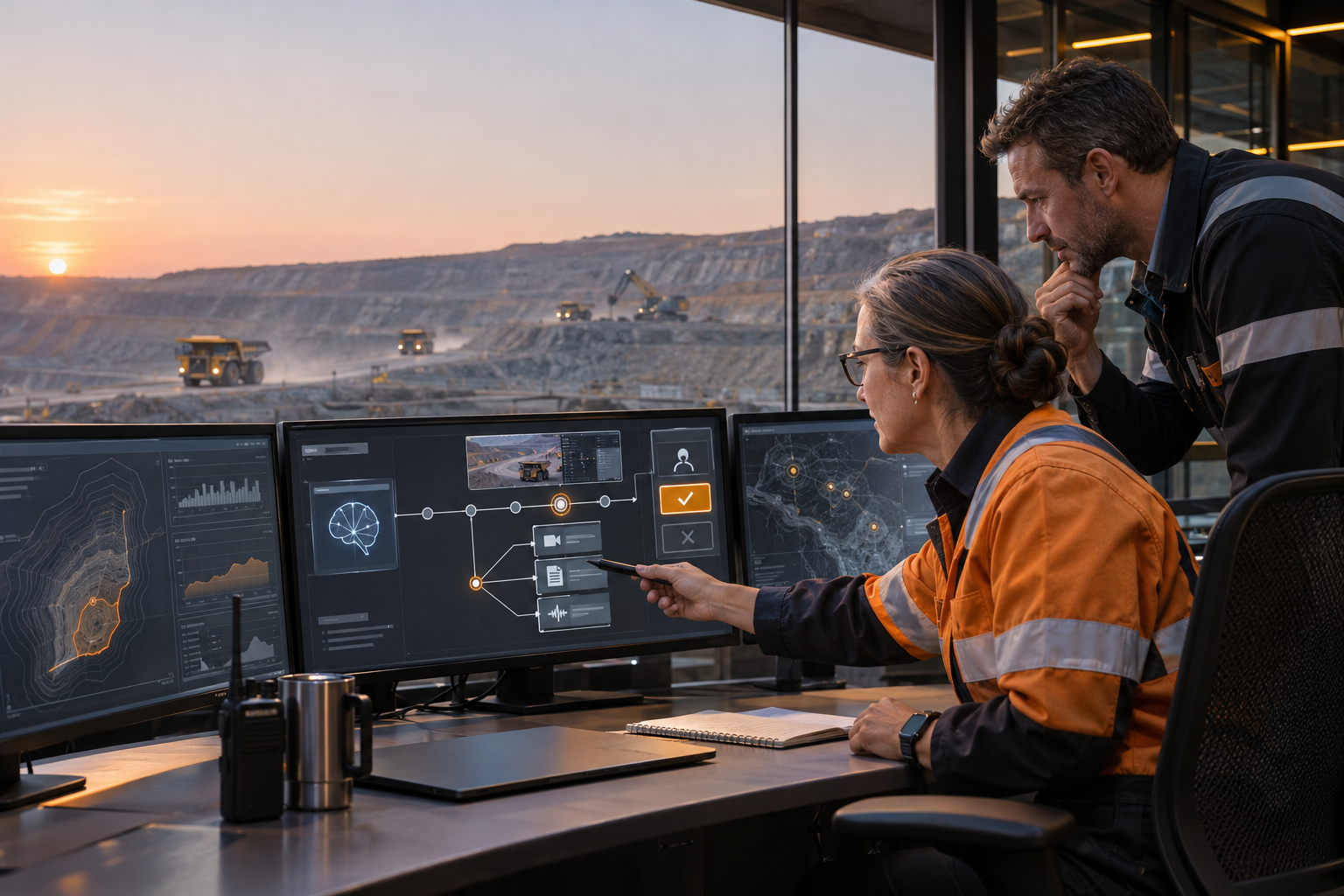
Human oversight in safety AI must be designed and tested as a control. Five practical tests help mining leaders distinguish meaningful review from approval theatre.
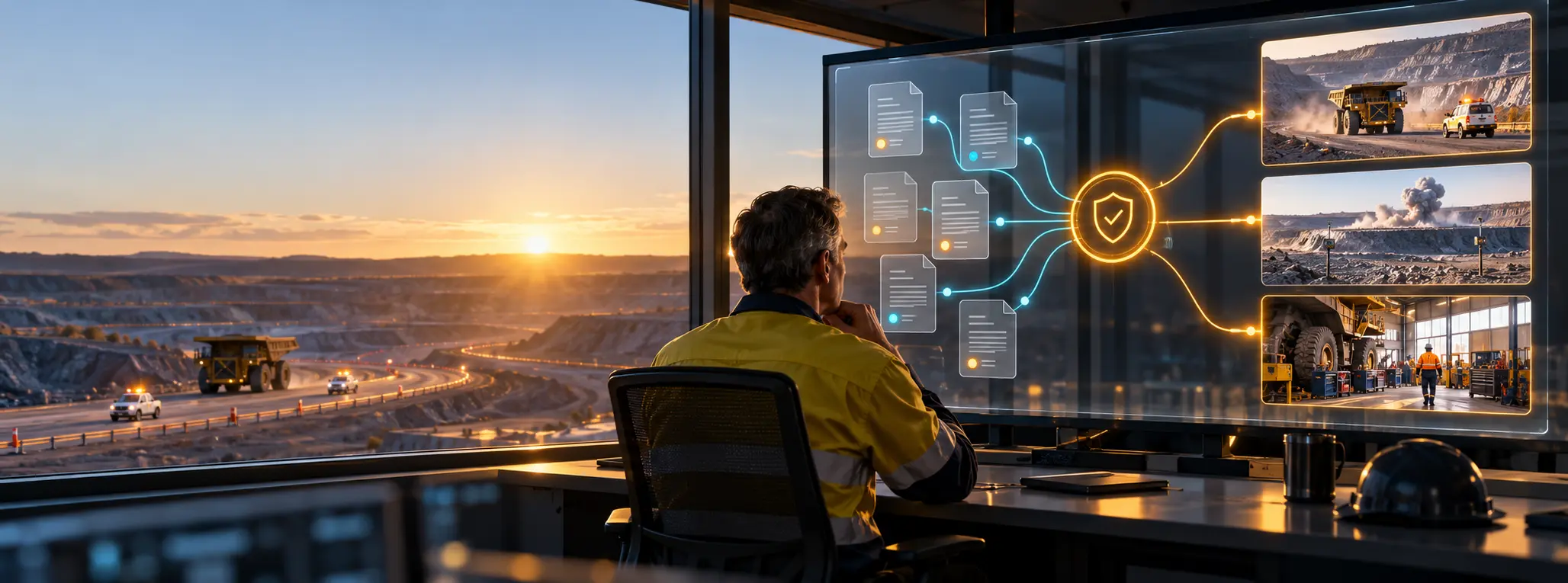
Regulator alerts create value only when mines make an accountable relevance decision, map the signal to local controls and documents, verify the field condition, and close the loop with evidence.
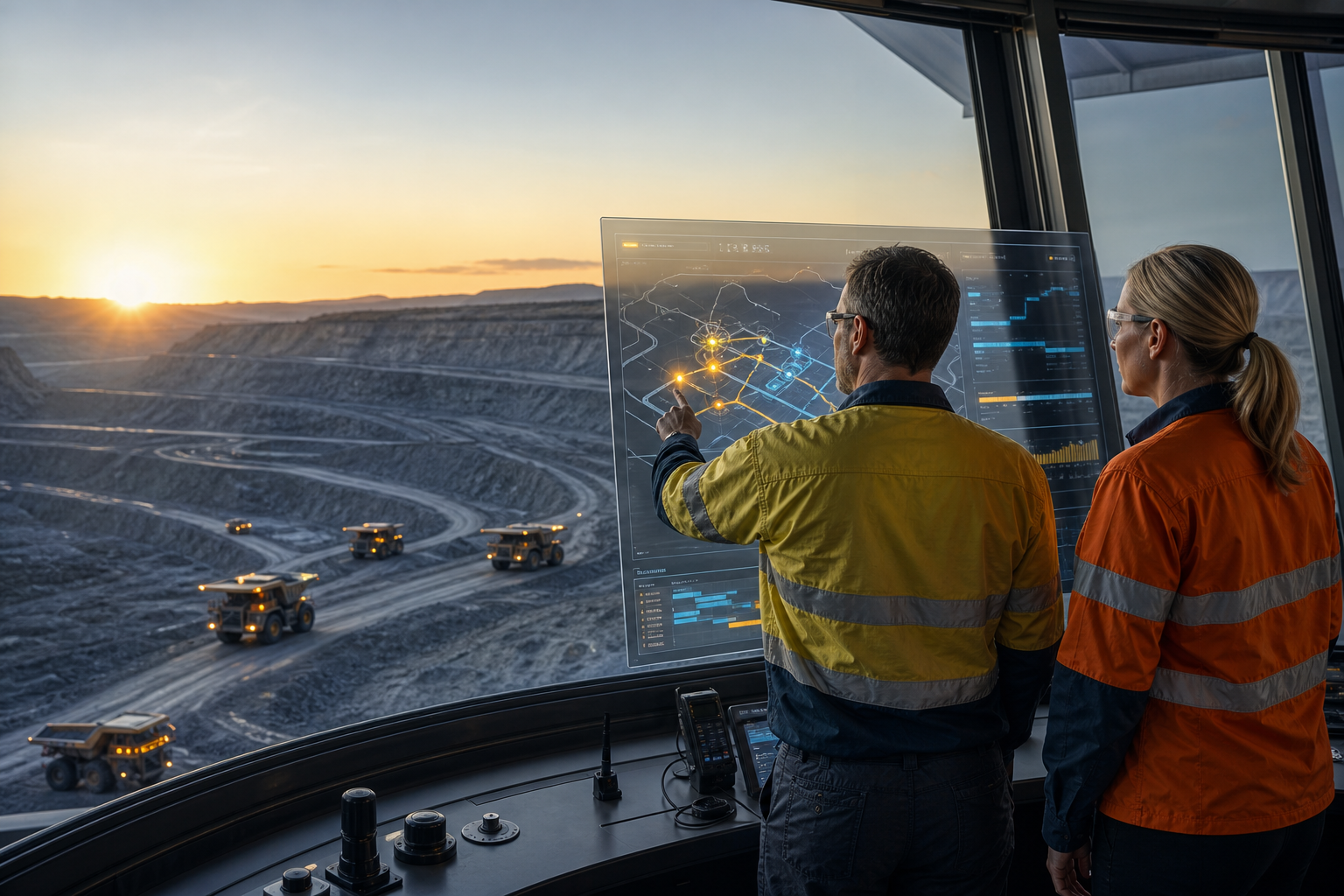
SafeWork NSW’s digital-work-system reforms raise a practical question for mining leaders: can you show how an algorithm allocates work, what risks it creates, and where accountable people can intervene?
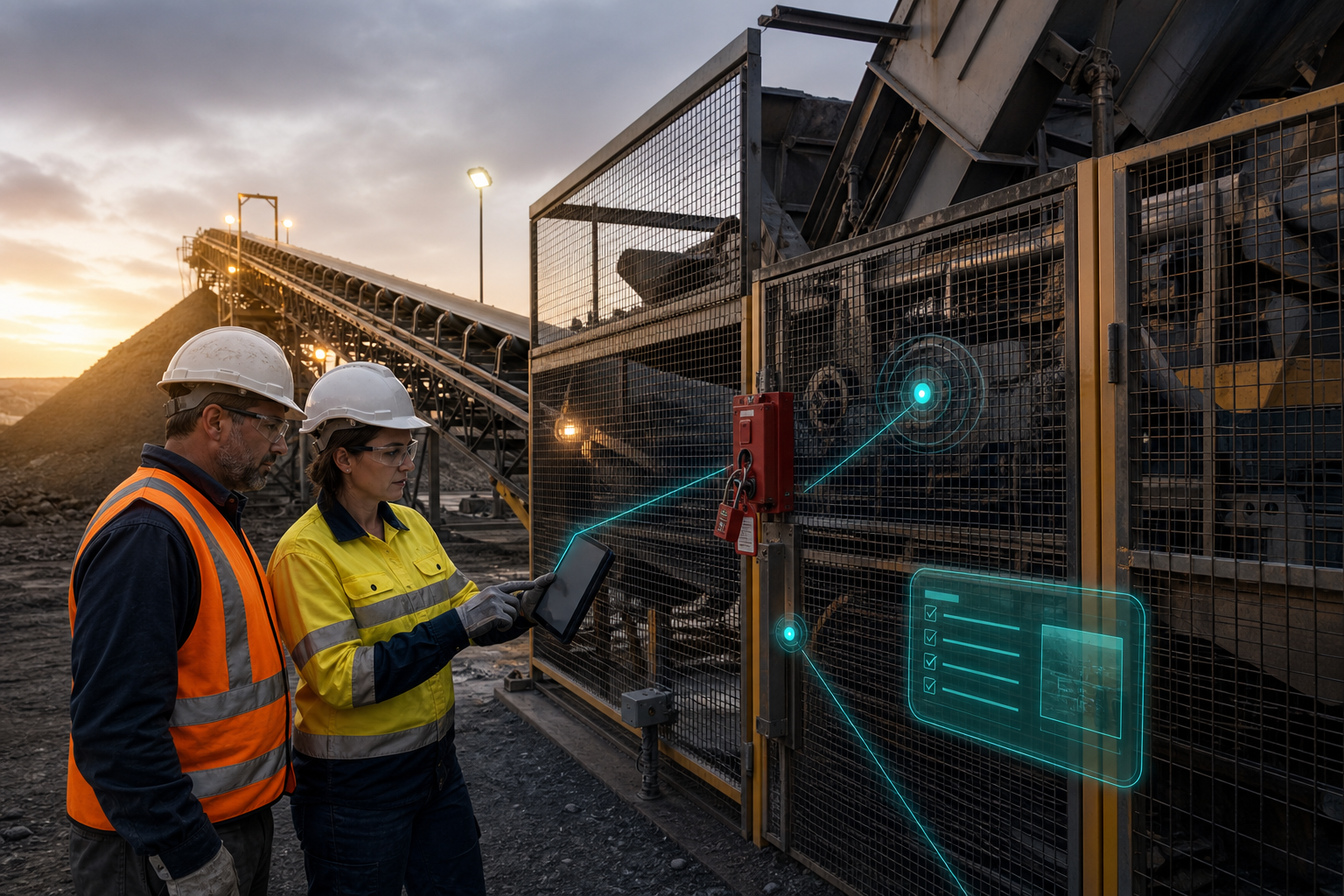
New 2026 regulator findings show that machinery guarding and isolation failures sit across hardware, procedures, worker understanding and verification. Mining leaders need a traceable control system, not another standalone training response.
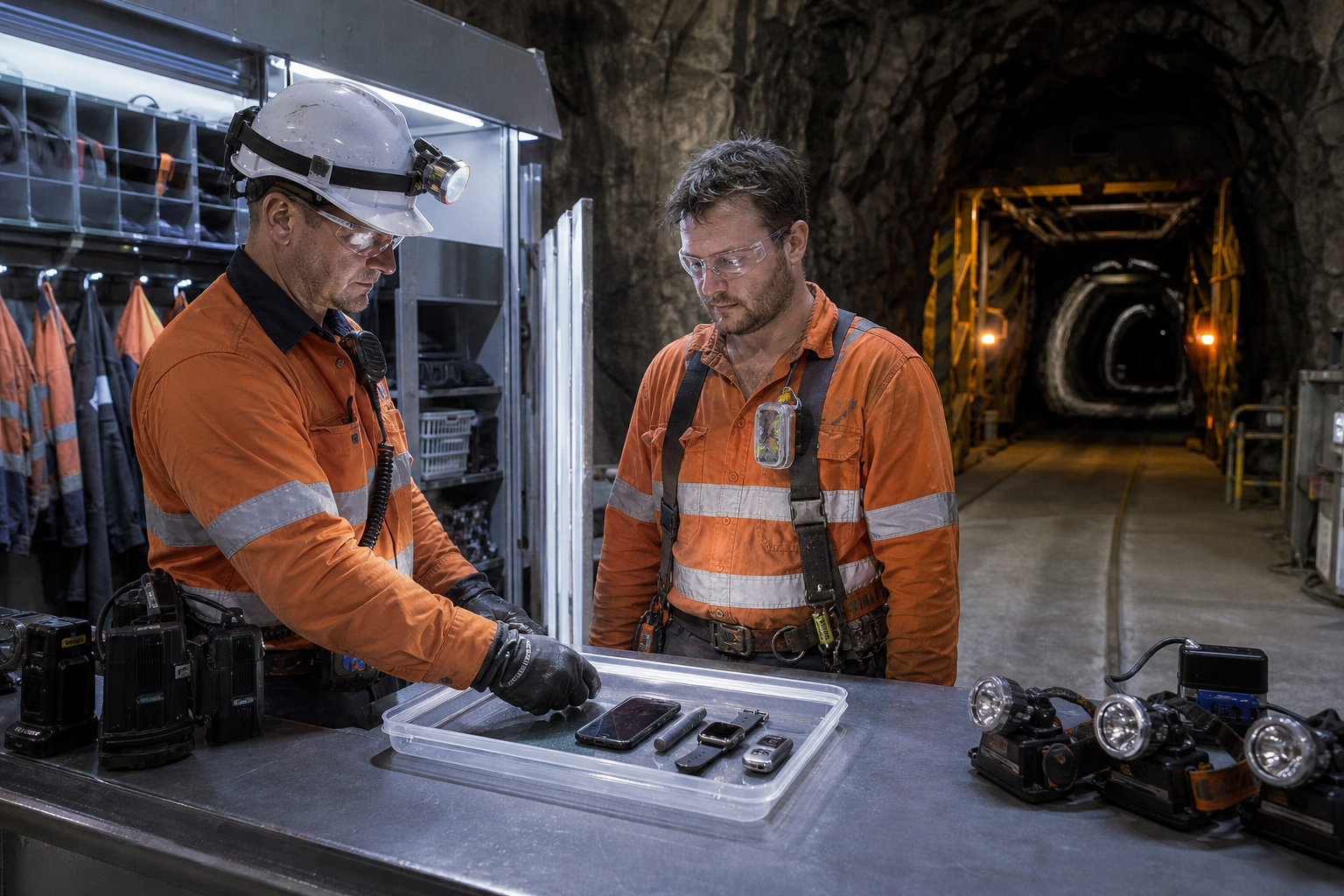
Queensland's 2026 spike in underground contraband reports is a control-assurance warning. Mining leaders need to test the full ignition-source prevention system, not rely on reminders or procedure existence.
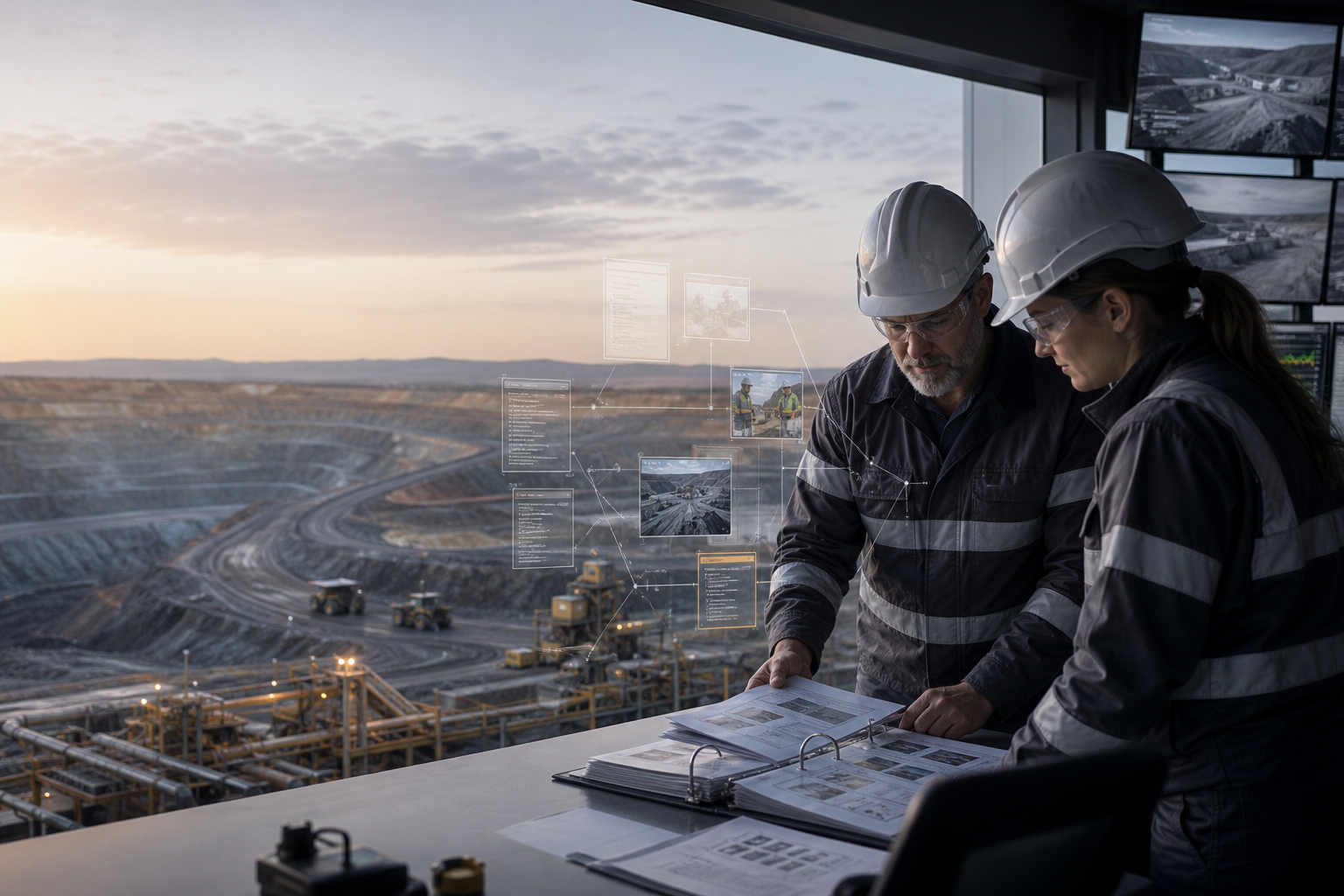
NSW’s new code-of-practice duty turns alternative controls into an assurance test. Mining leaders need a current, owned and evidence-backed case for every material departure.
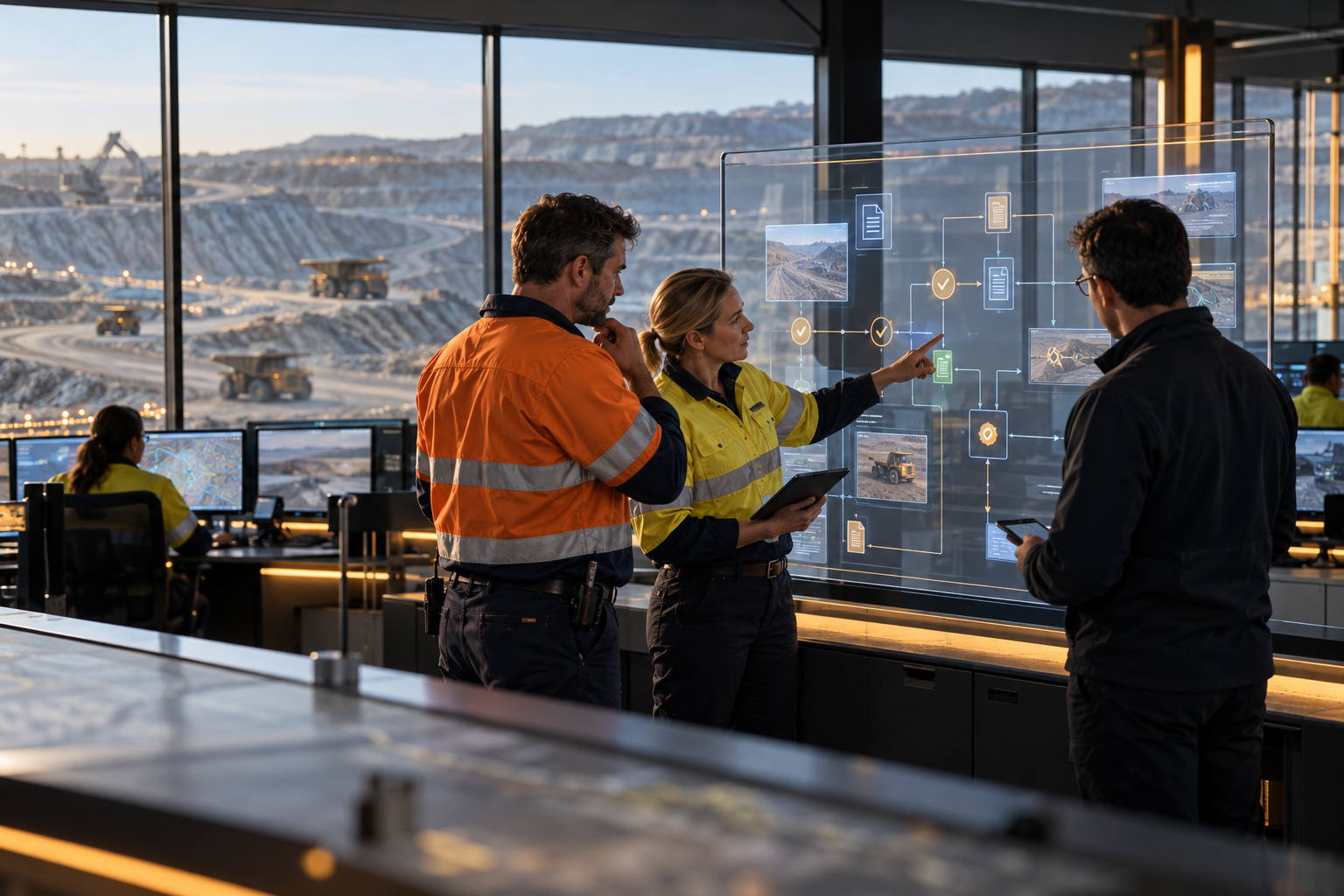
Safe Work Australia’s 2026 guidance makes AI adoption an operational safety issue. Mining leaders need governed use cases, worker consultation, human decision rights, testable acceptance criteria and controlled updates.
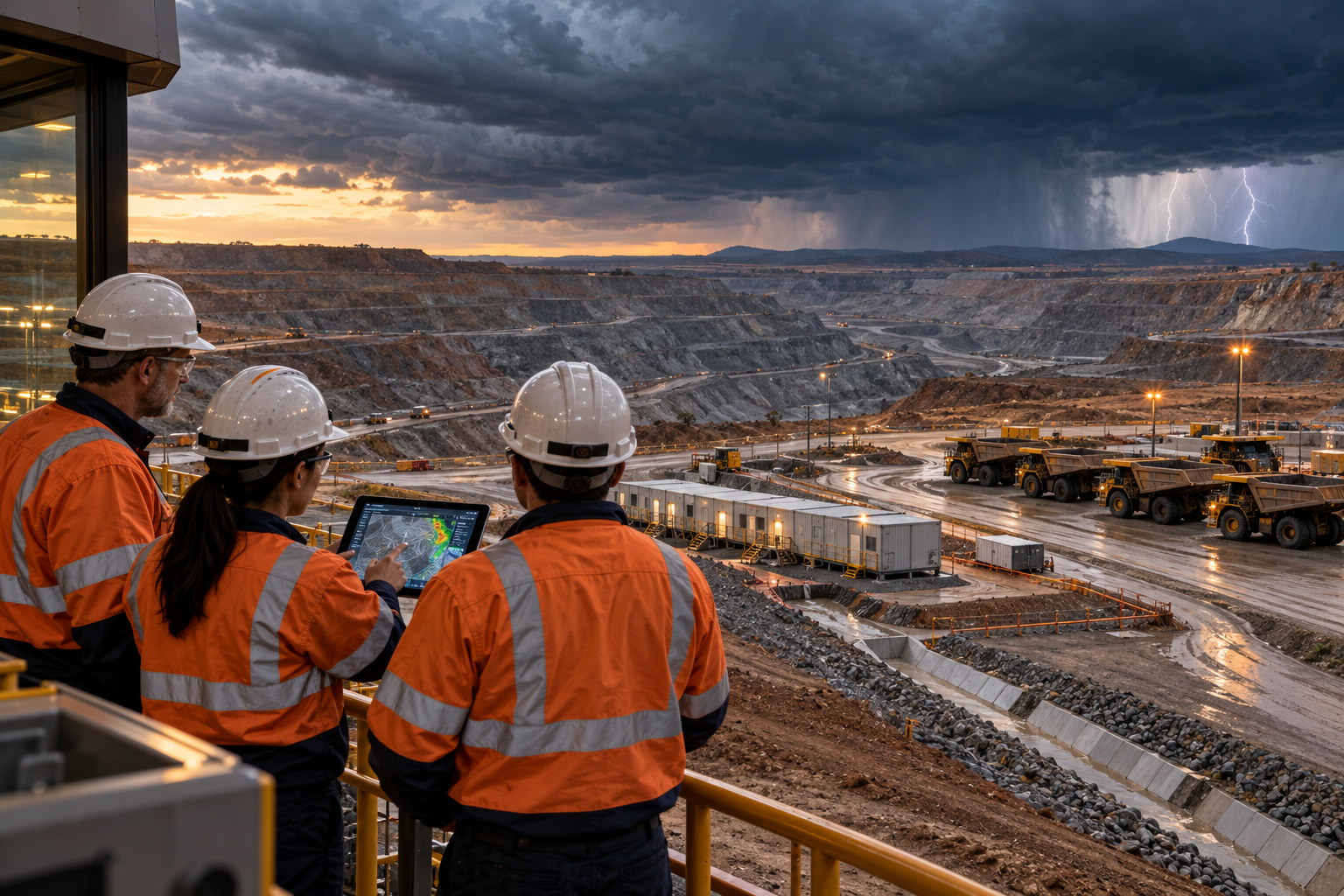
Queensland's new storm-season alert is a leadership test: can your SHMS, emergency plan, critical controls, responsibilities and recovery criteria stay aligned as conditions change?
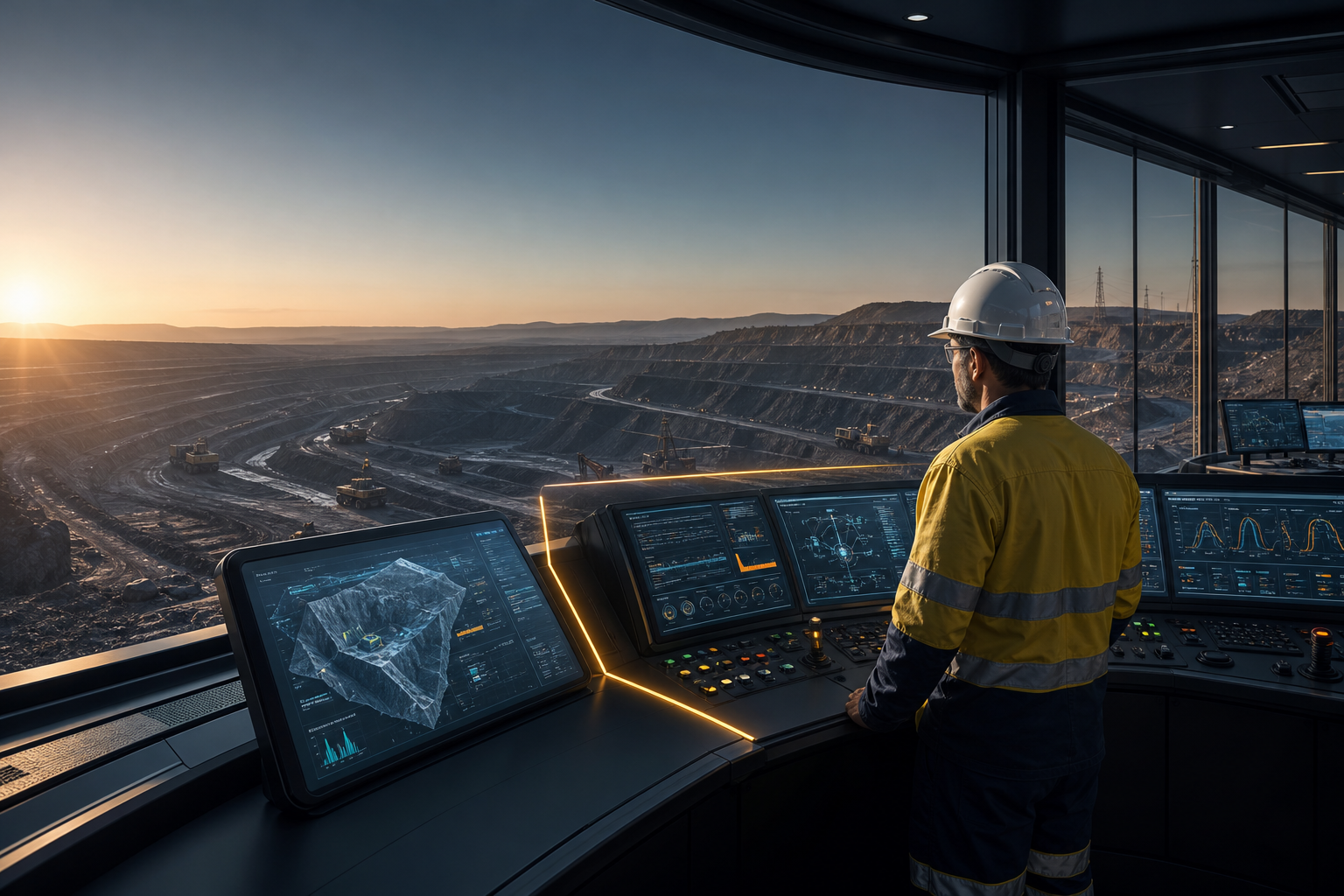
Agentic AI changes the risk equation when it can act through connected tools. Mining leaders need an explicit authority boundary that defines permissions, evidence, human approvals and stop conditions before autonomy expands.
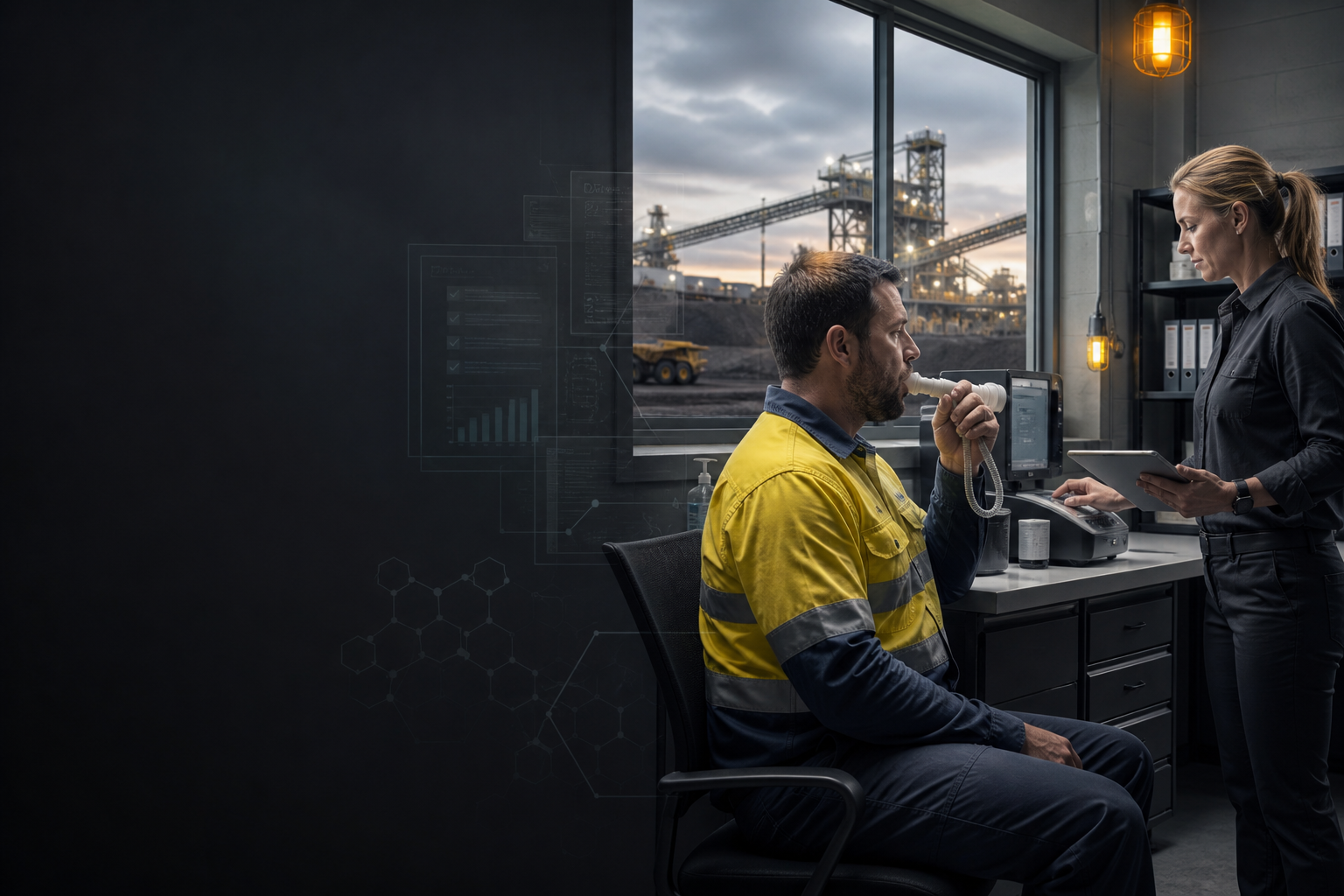
Queensland's 2026 spirometry standards are now in force. The leadership challenge is proving that every affected procedure, provider control, competency record and assurance workflow changed with them.
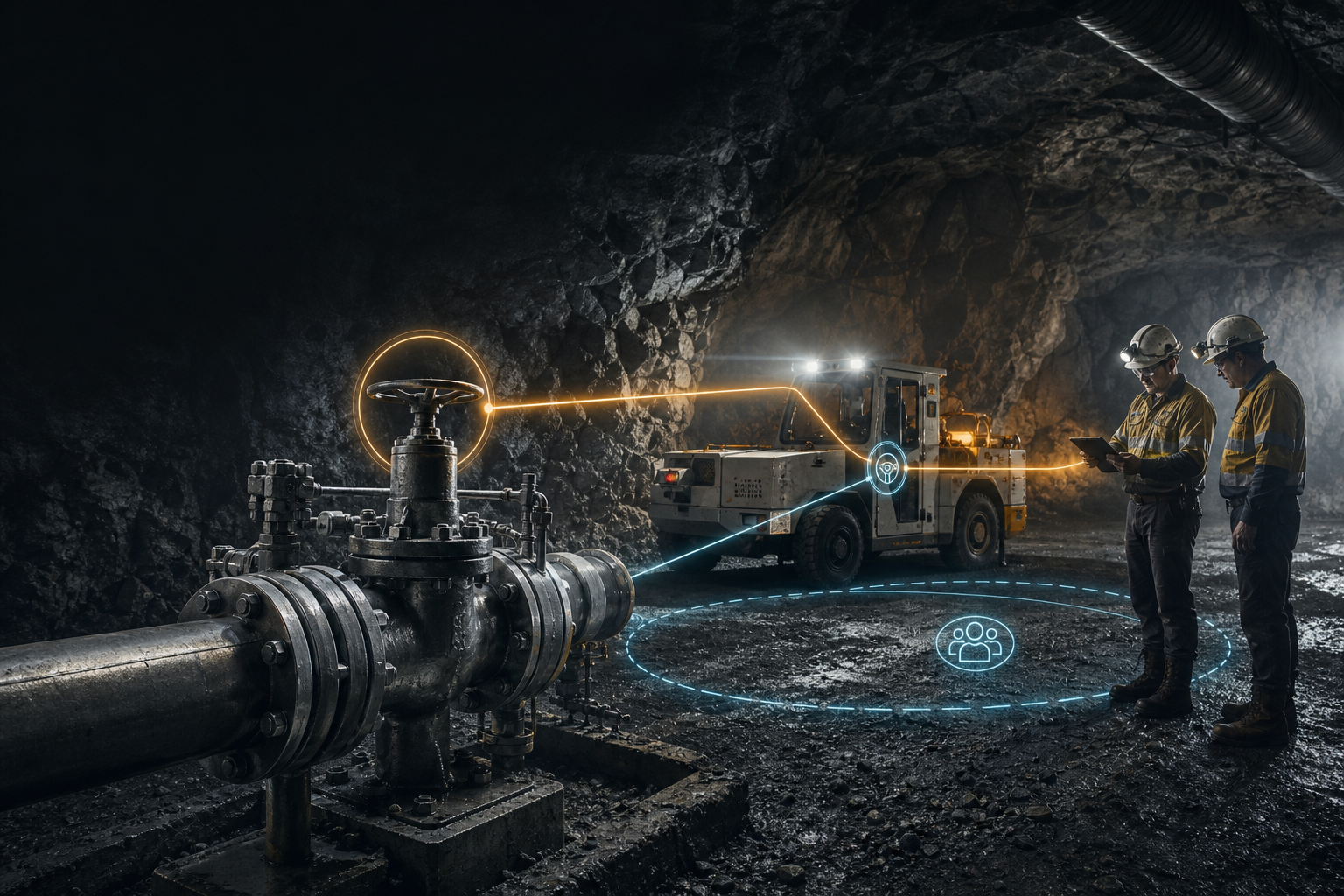
A September 2026 Queensland safety alert highlights a wider leadership challenge: serious events can emerge where stored energy, access, visibility, mobile equipment and changing conditions interact. Investigations need an evidence-linked view of control state, sequence and system interfaces.
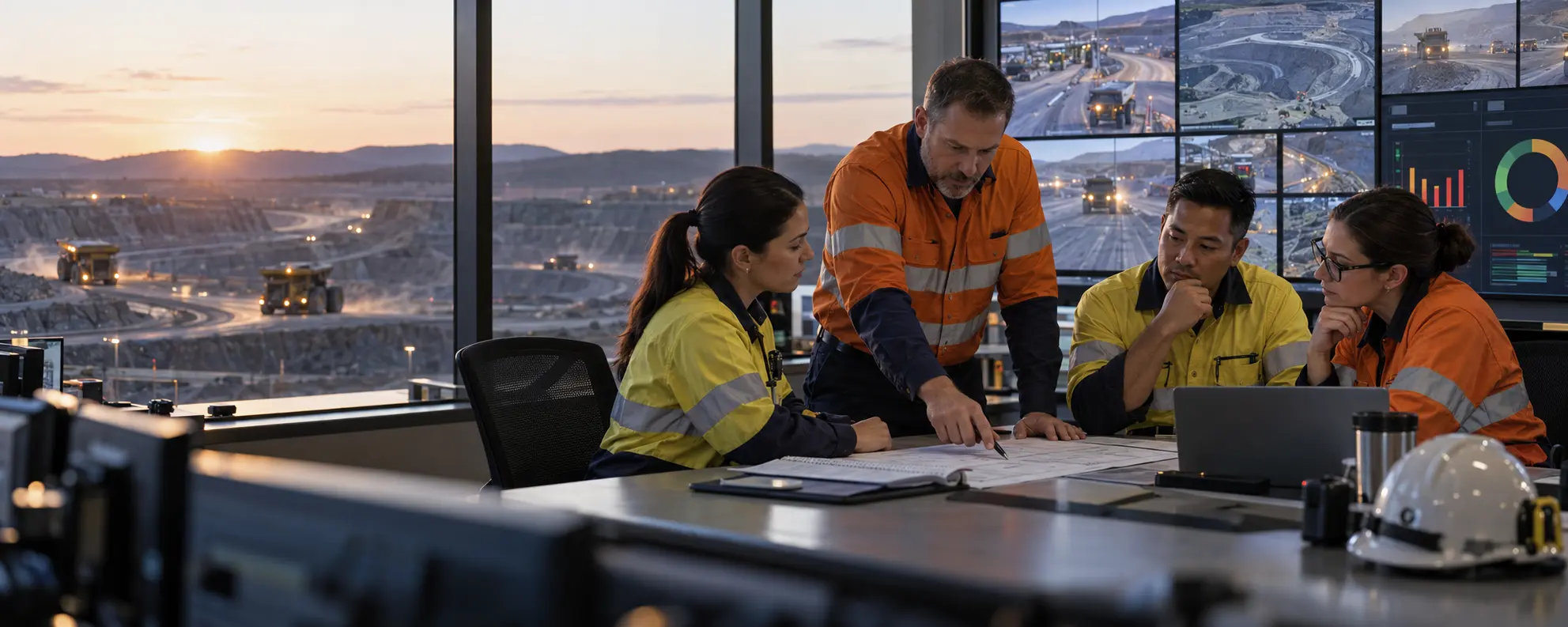
Queensland's 2026 resources-sector audit shows that wellbeing initiatives are not enough. Psychosocial risk must be integrated into the SHMS through evidence-led assessment, trusted reporting, competent investigation and accountable control review.
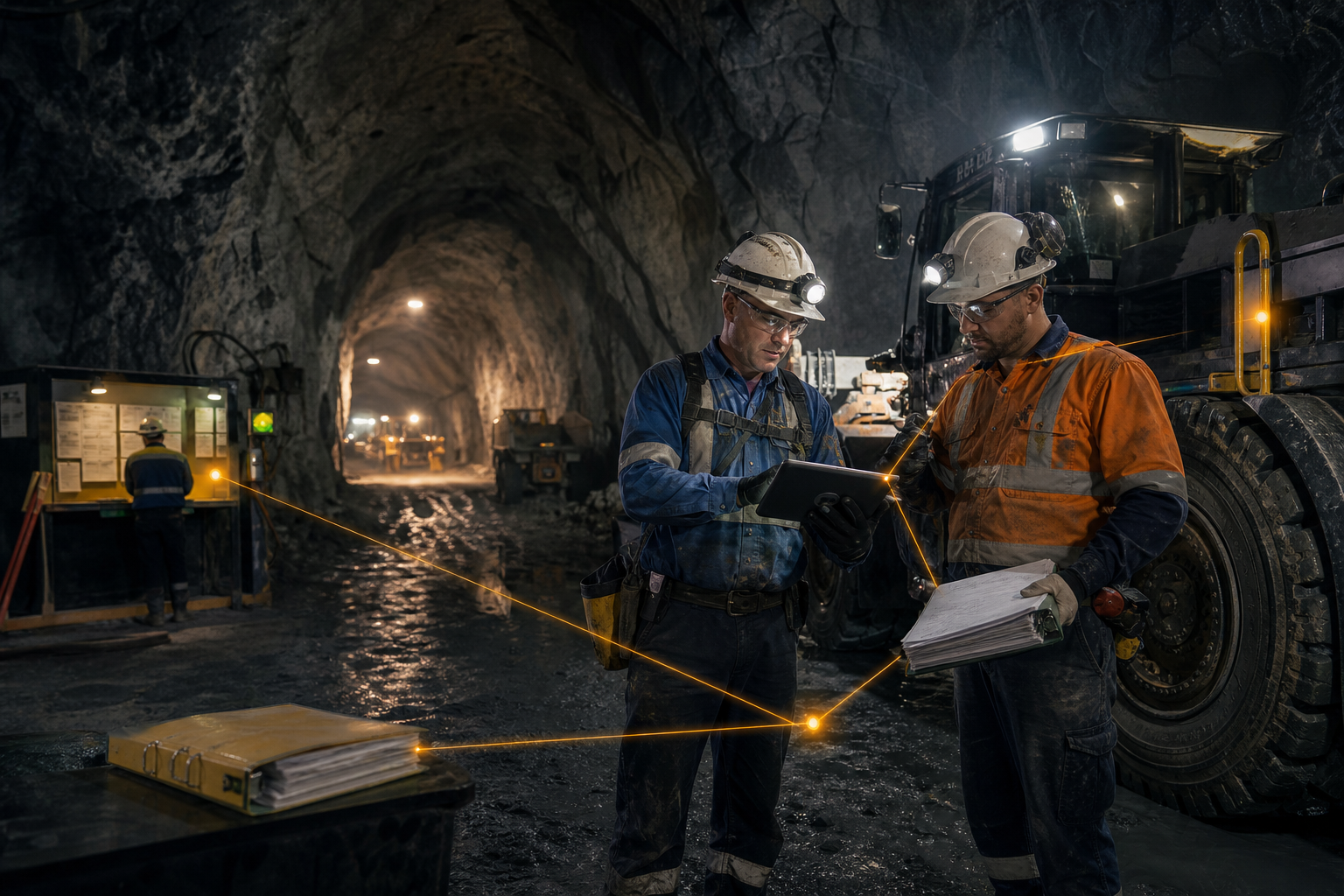
Recent coronial research and regulator findings show that contractor risk is often created at the interfaces between organisations, documents, controls and decisions. Leaders need a shared, evidence-backed operating system, not another procurement checklist.
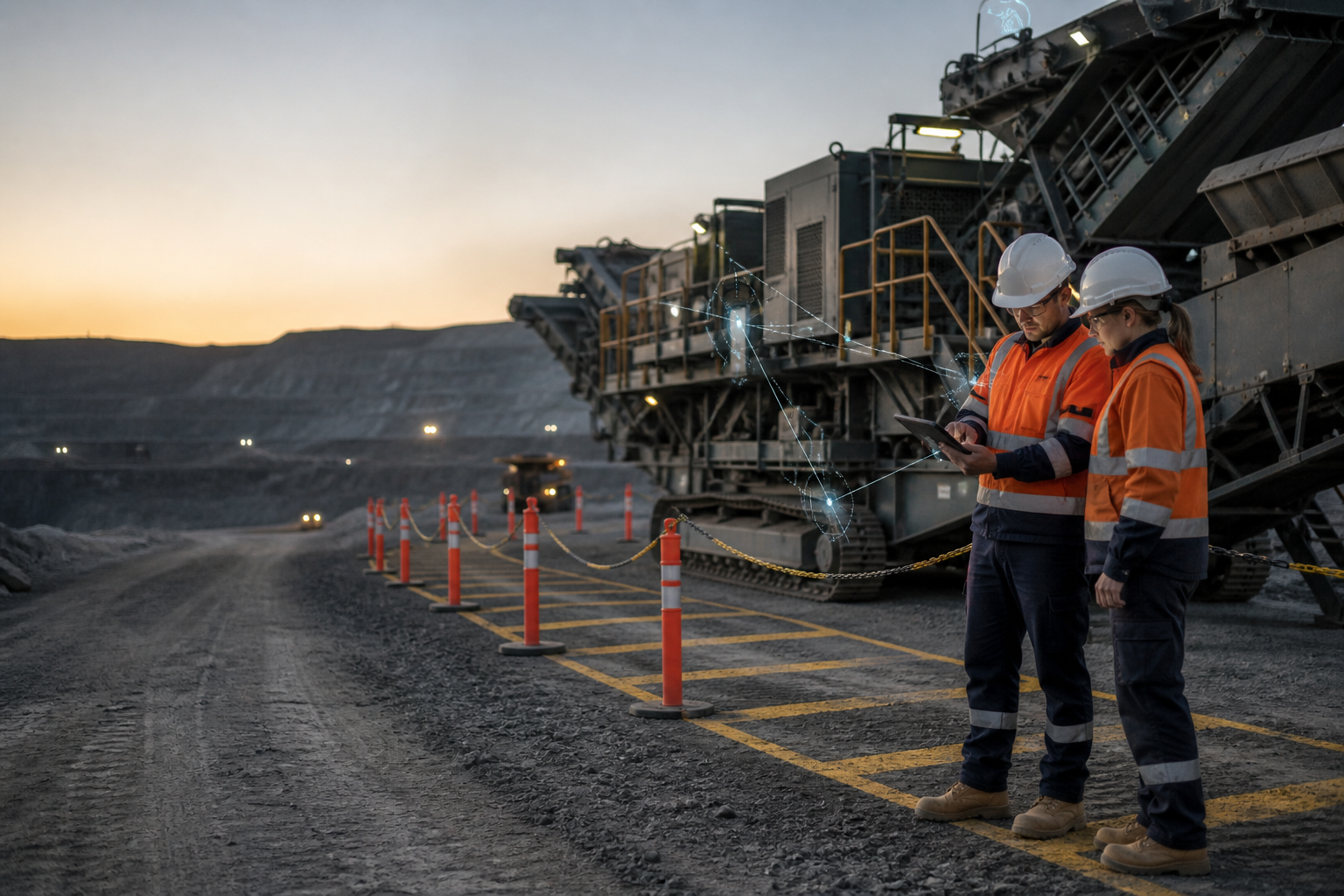
New 2026 guidance and regulatory activity are raising the bar from documented controls to evidence that controls perform in the field. Mining leaders need measurable standards, named accountability, credible verification and decisive action on weak signals.
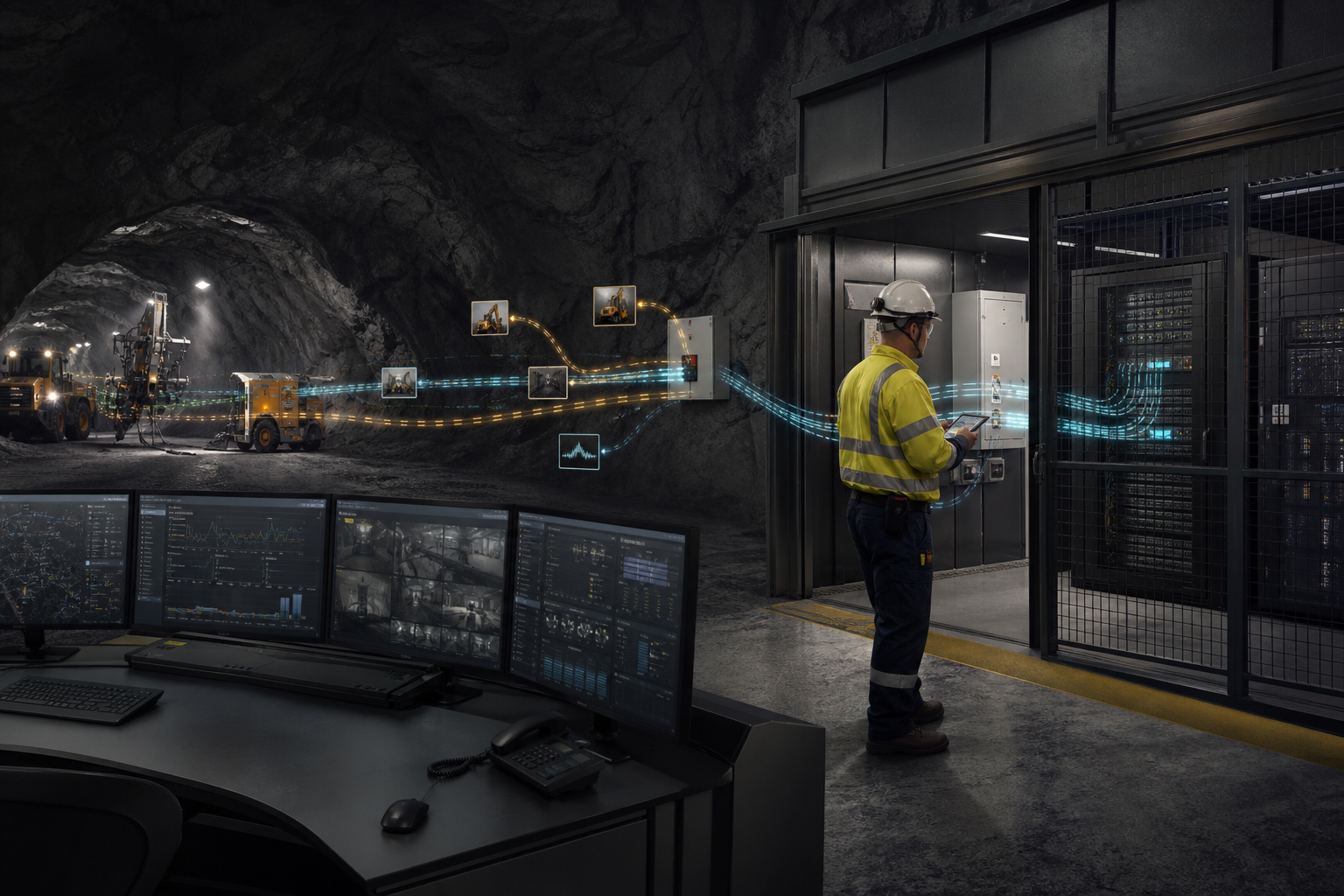
Data residency alone does not make an AI system sovereign. MineGuard AI’s Australian sovereign option keeps hosting, storage, backups, logging and AI inference within Australian regions across a separated deployment.
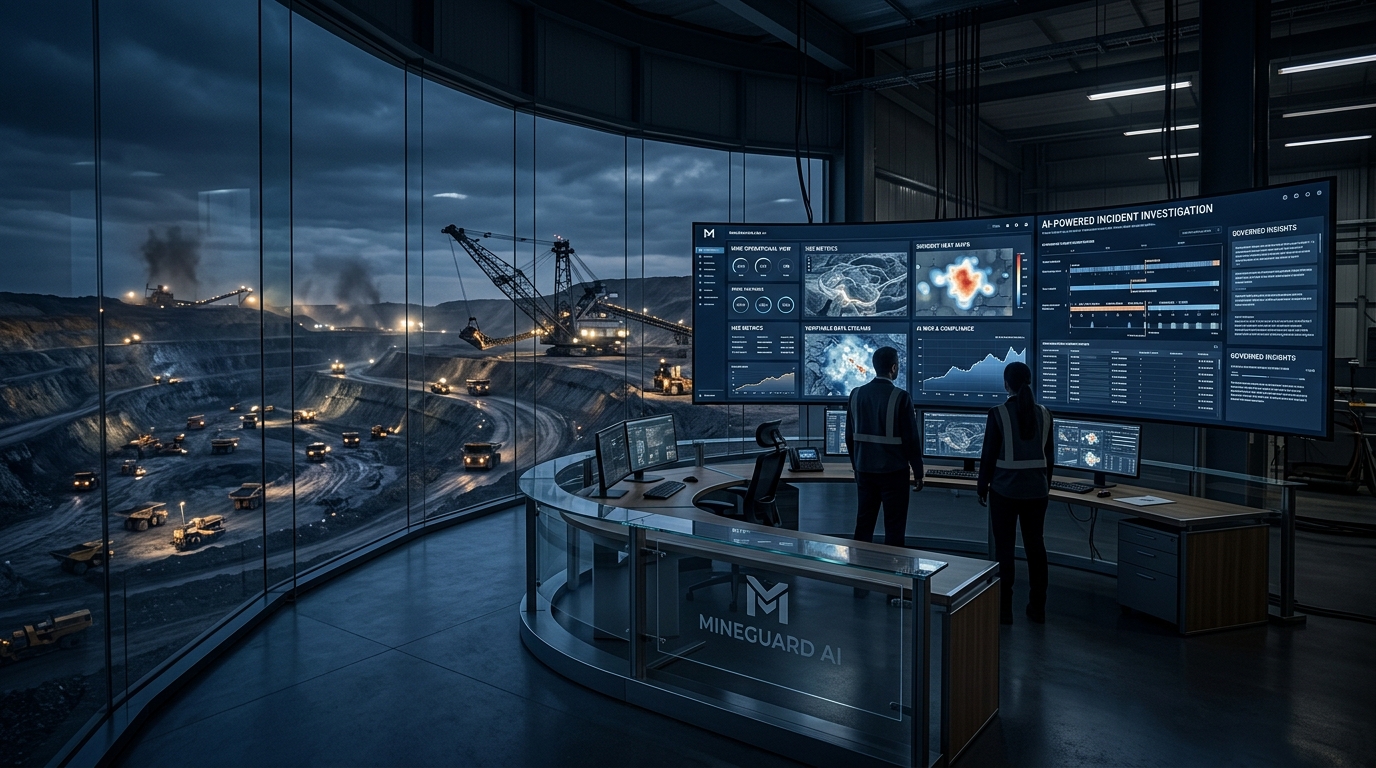
Write a forward-looking leadership article for mining and heavy-industry executives, grounded in operational reality. Connect the topic to a known challenge in high-consequence work — investigation quality, control assurance, or SHMS consistency — and show how evidence-anchored AI changes the outcome.
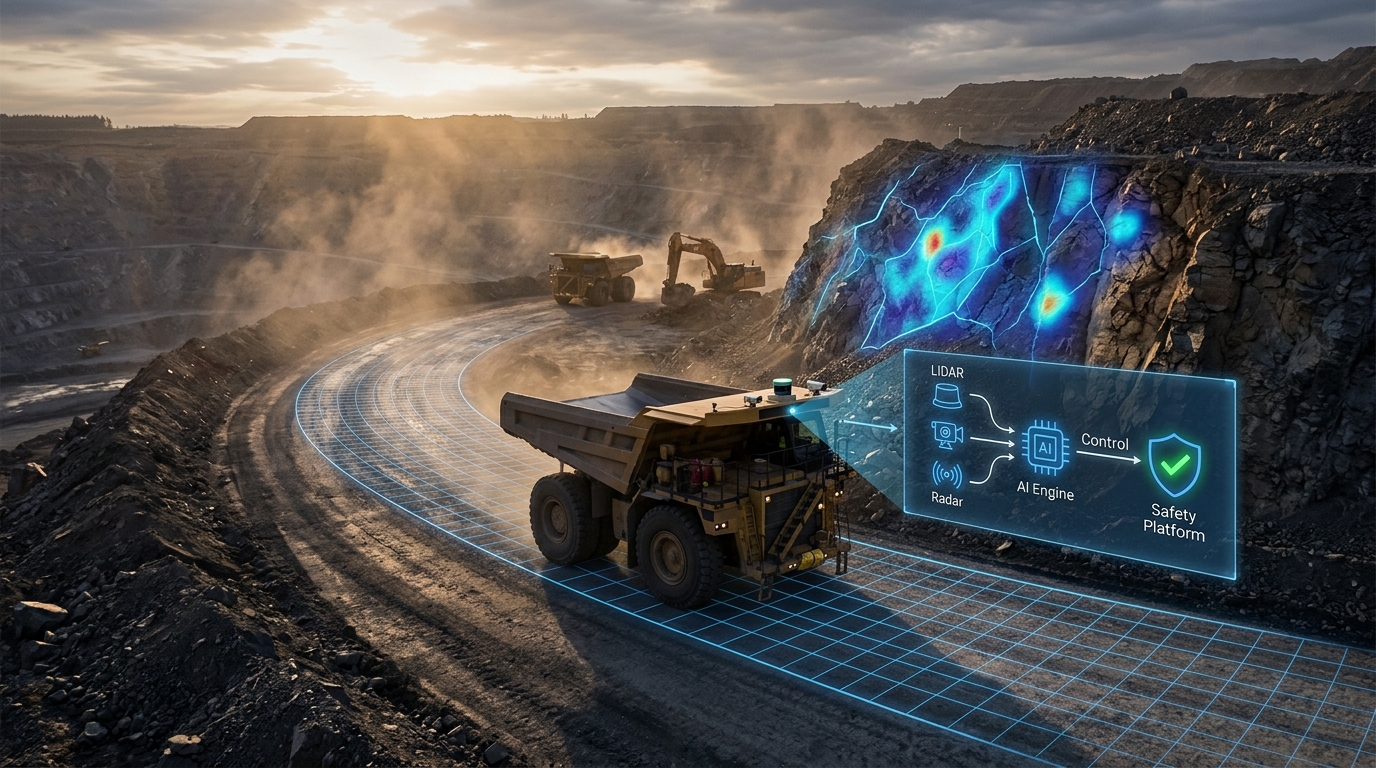
Write a forward-looking leadership article for mining and heavy-industry executives, grounded in operational reality. Connect the topic to a known challenge in high-consequence work — investigation quality, control assurance, or SHMS consistency — and show how evidence-anchored AI changes the outcome.
No articles match those filters.
Book a walkthrough of Incident AI, SHMS AI or Critical Risk AI, focused on how your team works today.